1. 忠告
「If you're serious of taking photos, you should study the classic arts to speak—you need a visual sense of composition.」 - 從(傳統)藝術去培養自己的眼光
2. 攝影的最高目標
「Making people laugh is one of the highest achievements you can have.」 - 保持熱忱
3. 非常好的照片
「When photography is good, it’s pretty interesting, and when it is very good, it is irrational and even magical… 」 - 拋開成見
4. 幽默的影像
「Sometimes, humor is in the photograph, not in the scene you photograph.」 - 所見並非真實
「People tell me I’m good at visual puns. I guess that’s true. I also enjoy verbal puns. Some people hate them; I love them.」 - 視覺雙關(隱喻)。用你想要的呈現方式去拍照
5. 悲傷的照片
「“Some people say my pictures are sad, some think they’re funny. Funny and sad, aren’t they really the same thing? They add up to normality.”」 - 呈上,讓觀者自行去感受
22. 眼光
「Good visual sense probably can’t be taught, not at a profound level. It’s eye, but it’s also heart.」 - 內化後的東西只能意會無法言傳,多聽(意見)多看(觀察)多拍(少追新機)多練(後製、暗房)。
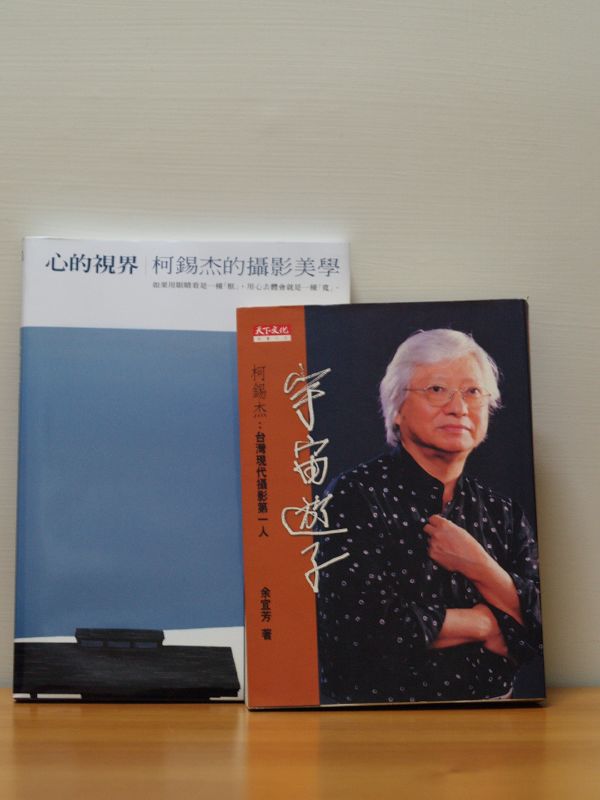
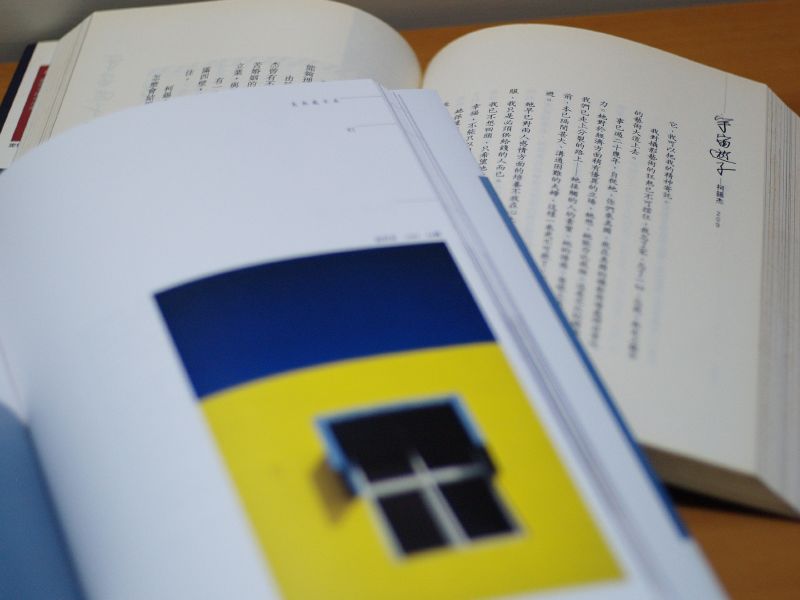
在柯錫杰大師事業巔峰的階段,很高興他能思考到他心靈上所欠缺的靈魂,也因此才有今日這樣撼動人心的作品可以流芳百世。記得非常清楚的在宇宙遊子前面幾篇彩色頁照片,我被一張收入聯合國【1994水的環保】年月曆,跨頁的「金海」所征住,當時看著照片是連一句話也說不出來,心裡的 OS 是連一個字也沒有,連一個「哇哦」都無法開口,從來沒有見識過這樣子的海的照片,嚴格來講整張照片就只有兩種顏色:黑色跟金色(橘色),但卻將整個大地的生命力卻充滿在畫面中的每一個細節裡,看似簡單,卻是那麼的有深度、有故事,最重要的一點是,攝影這本身所擁有的想法,有將它灌注到照片裡面,再透過照片,感化了看照片的人。